Barbatula barbatula (Linnaeus, 1758)
Description
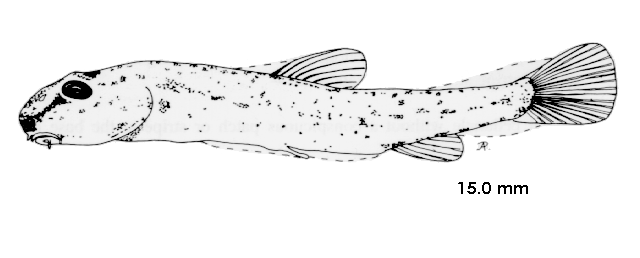
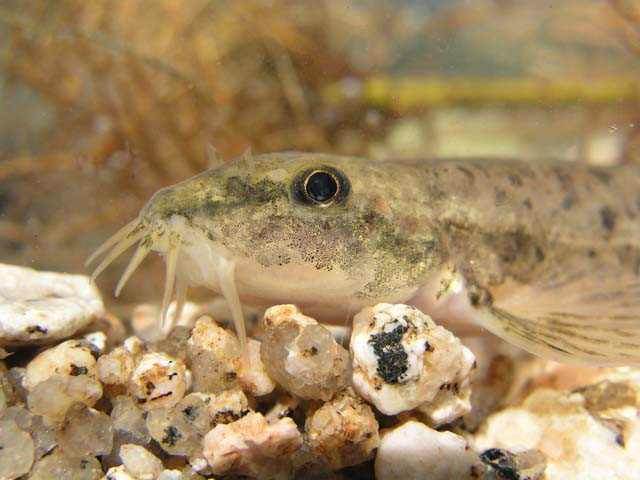
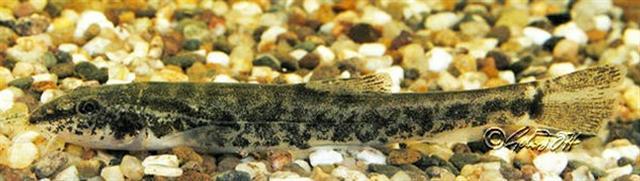
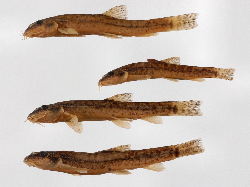
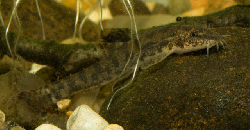
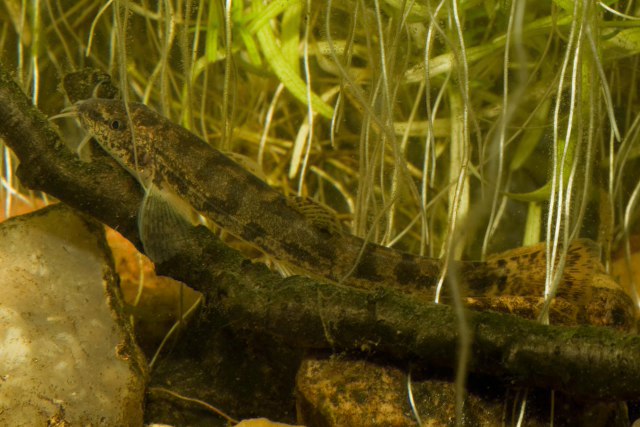
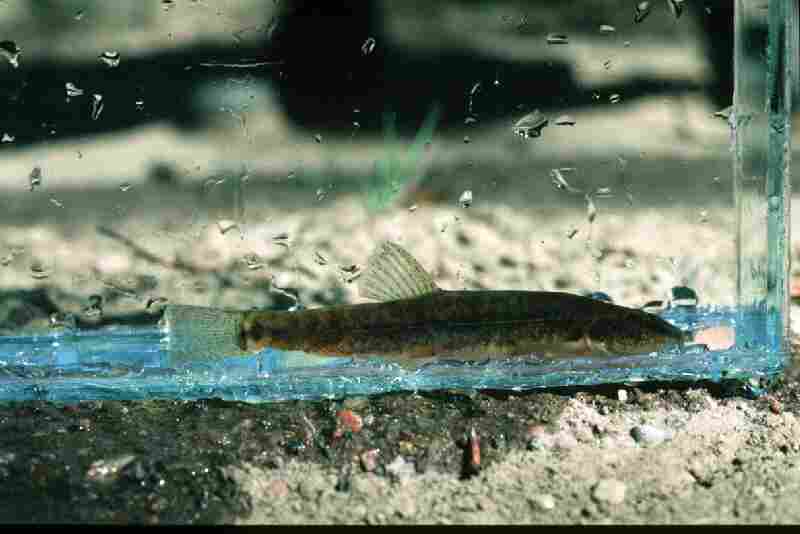
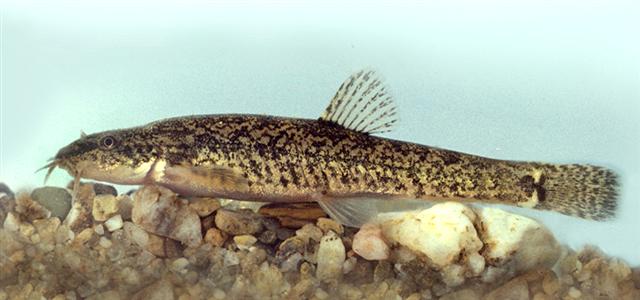
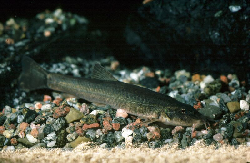
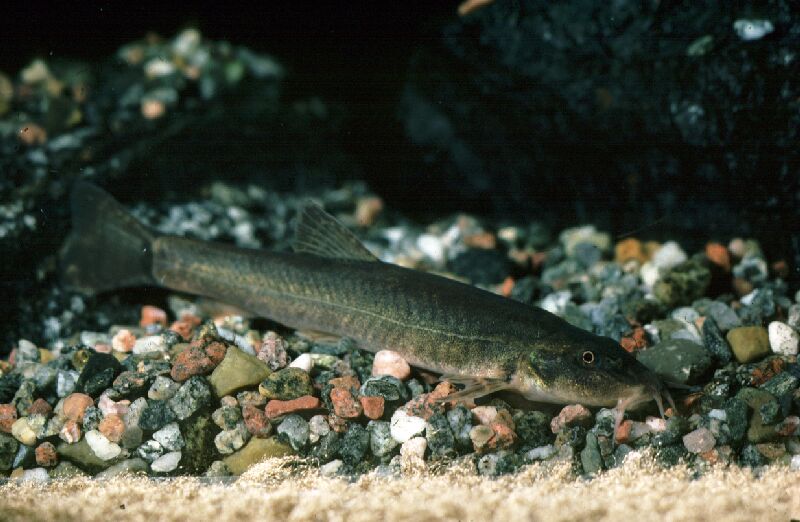
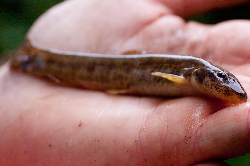
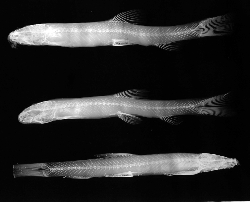
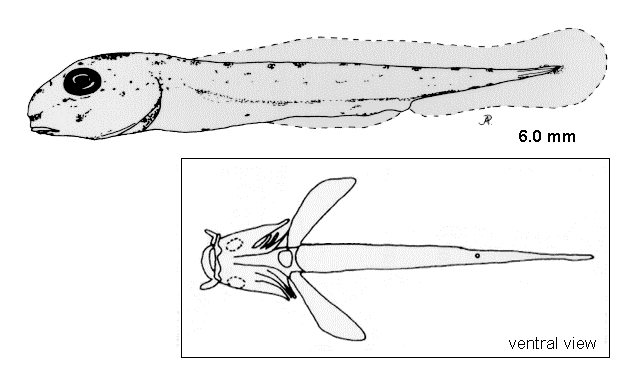
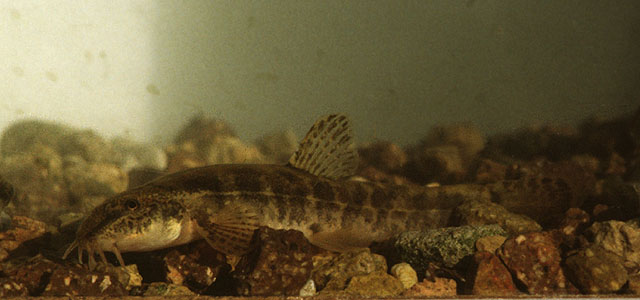
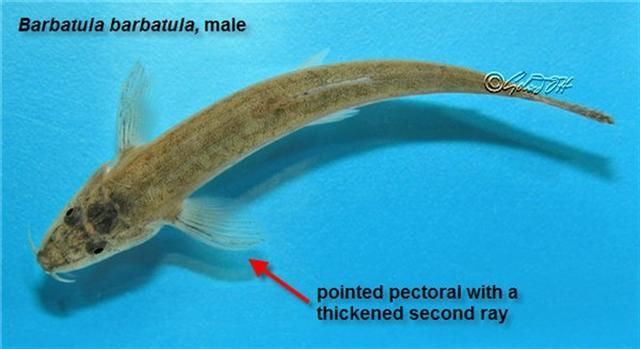
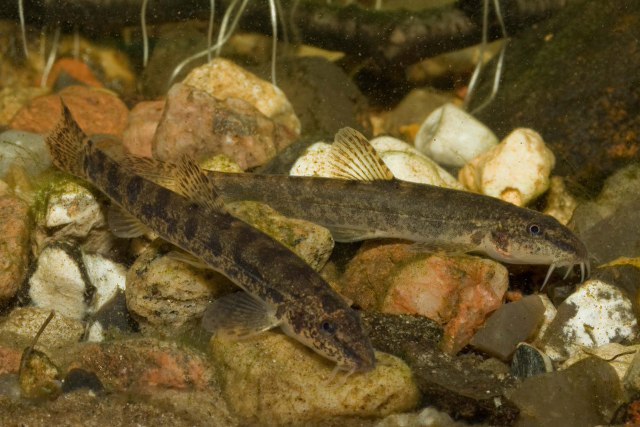
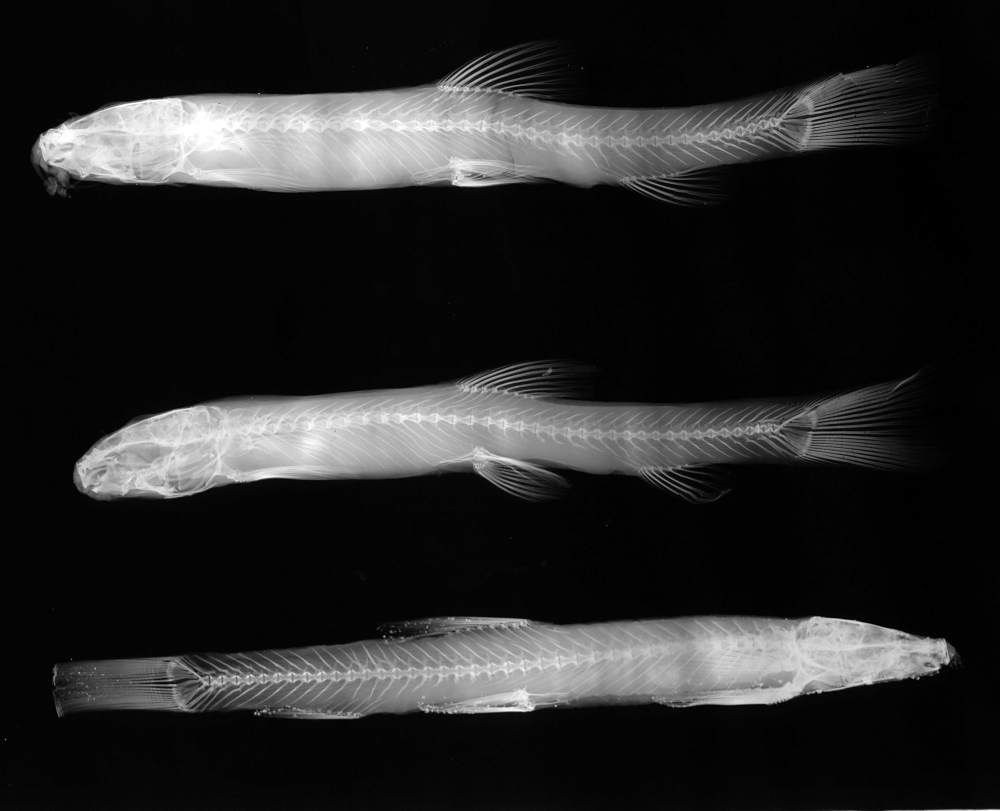
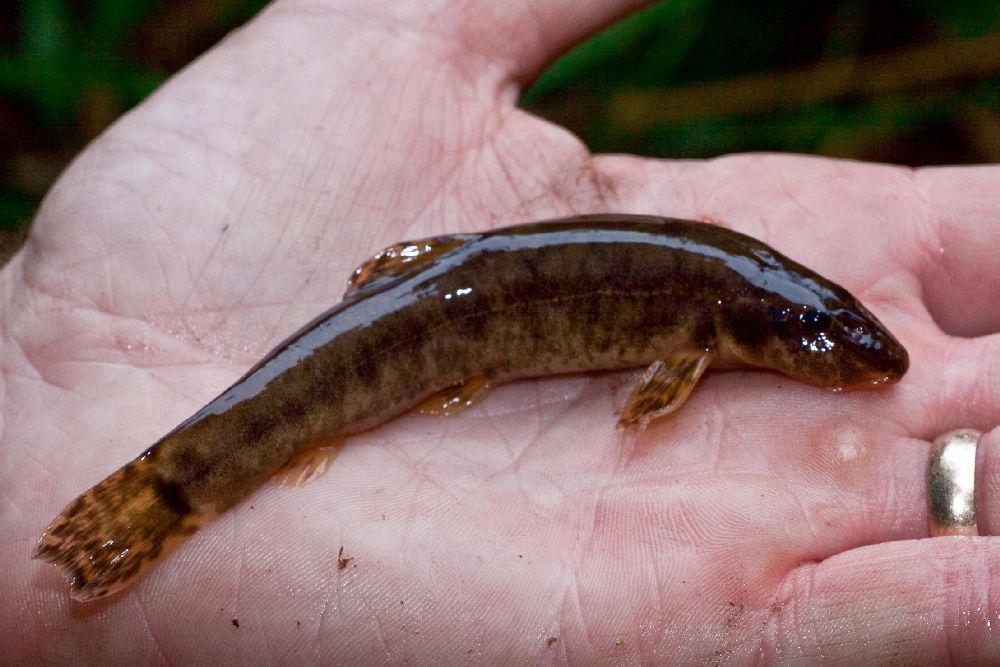
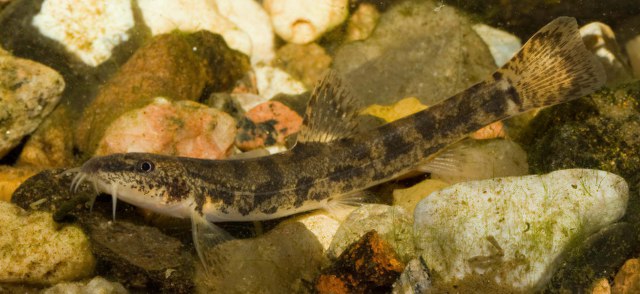
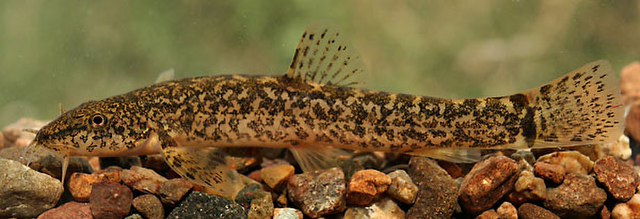
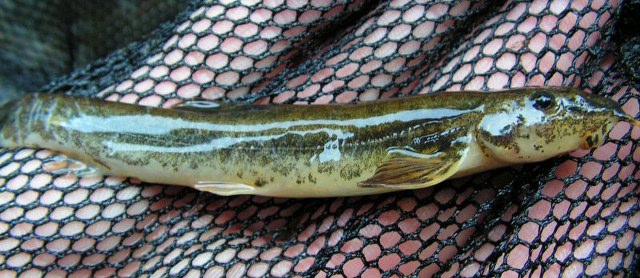
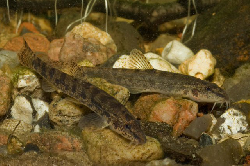
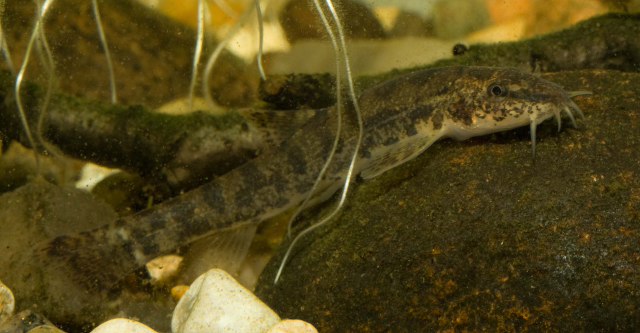
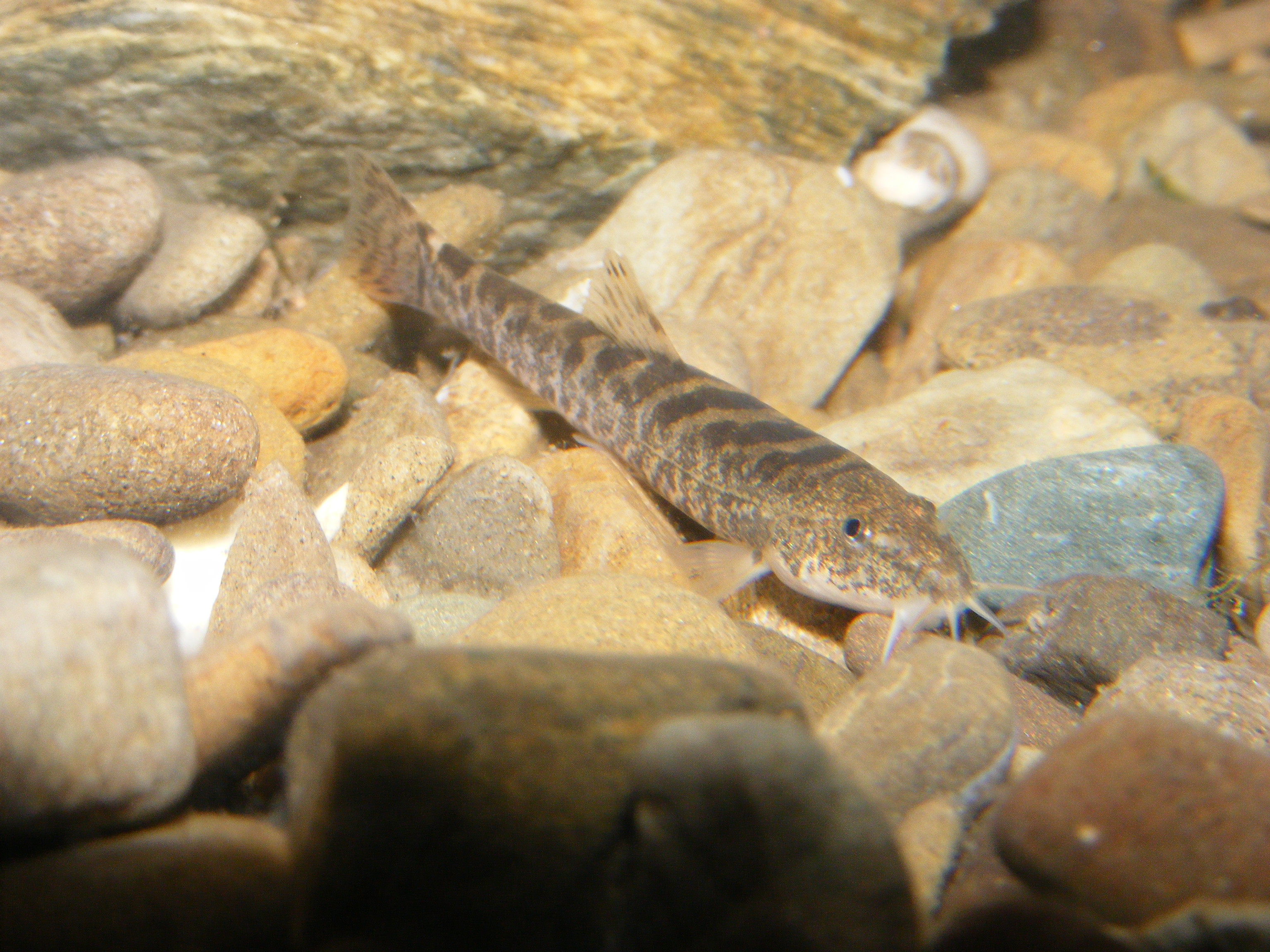
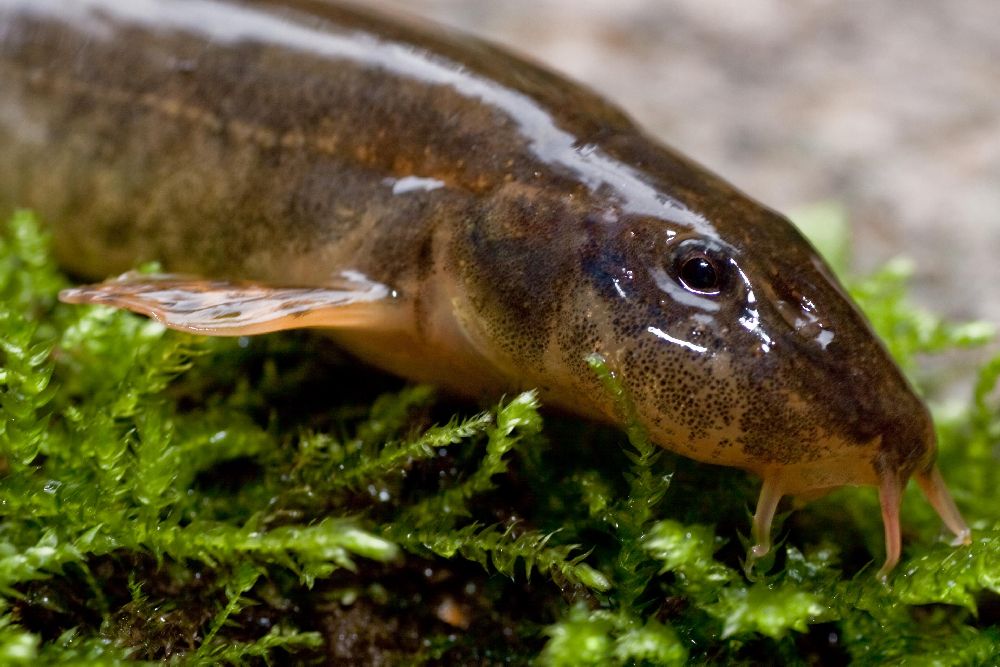
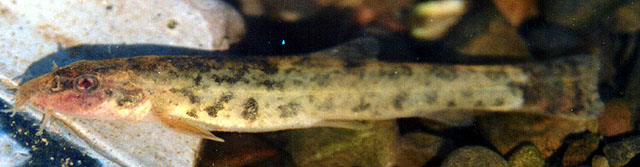
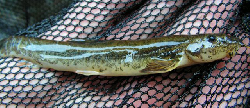
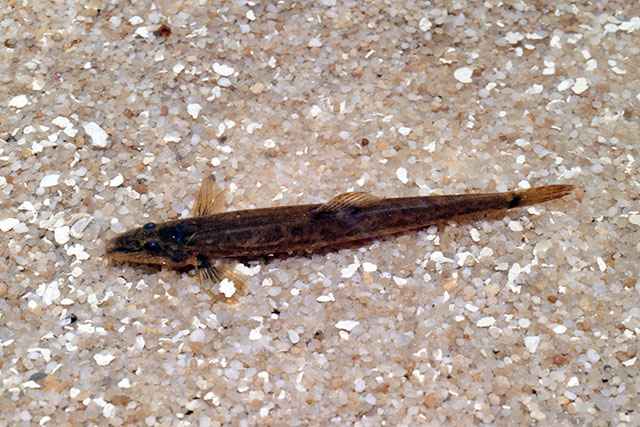
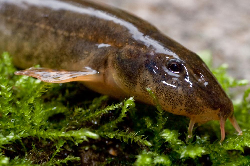
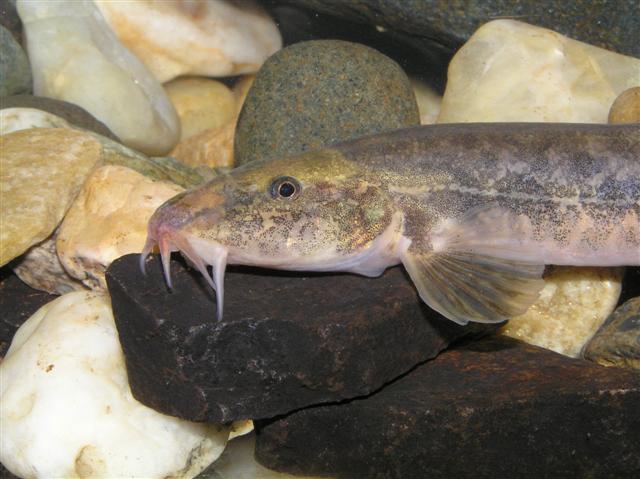
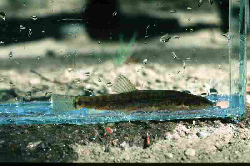
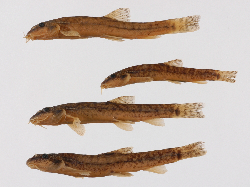
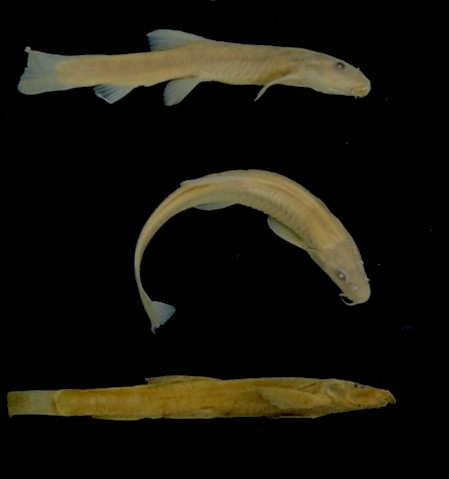
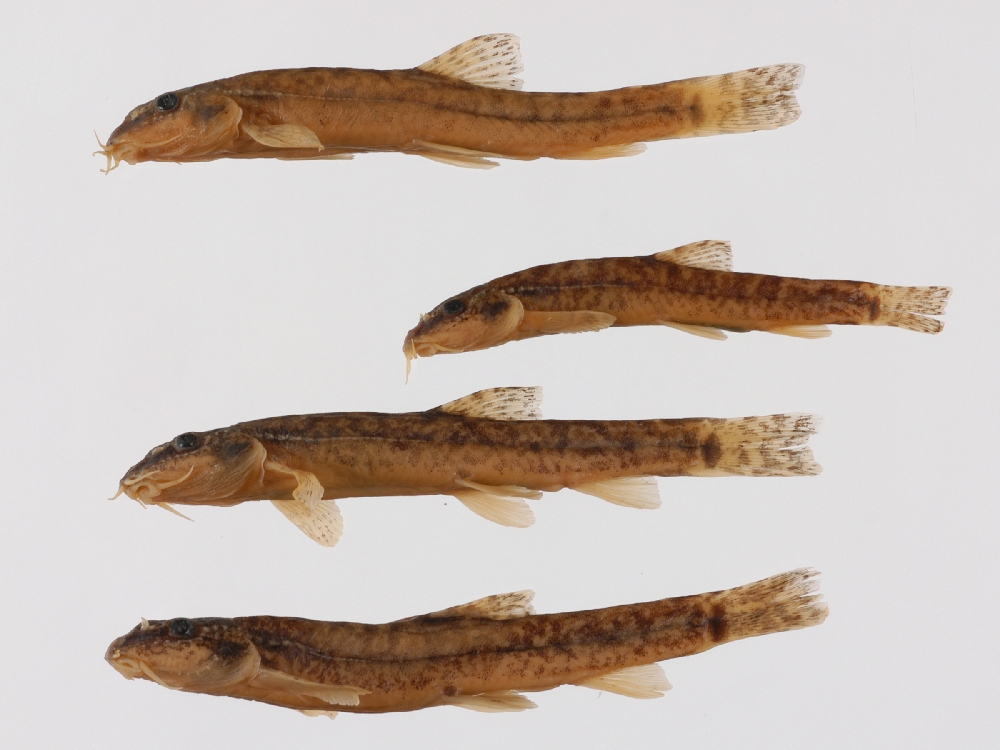
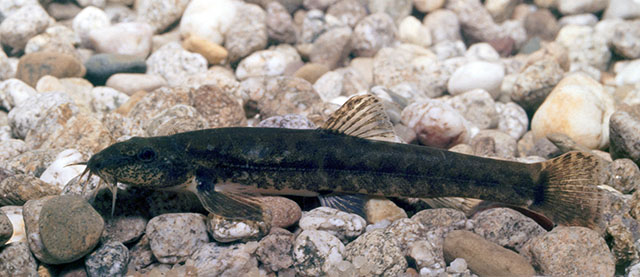
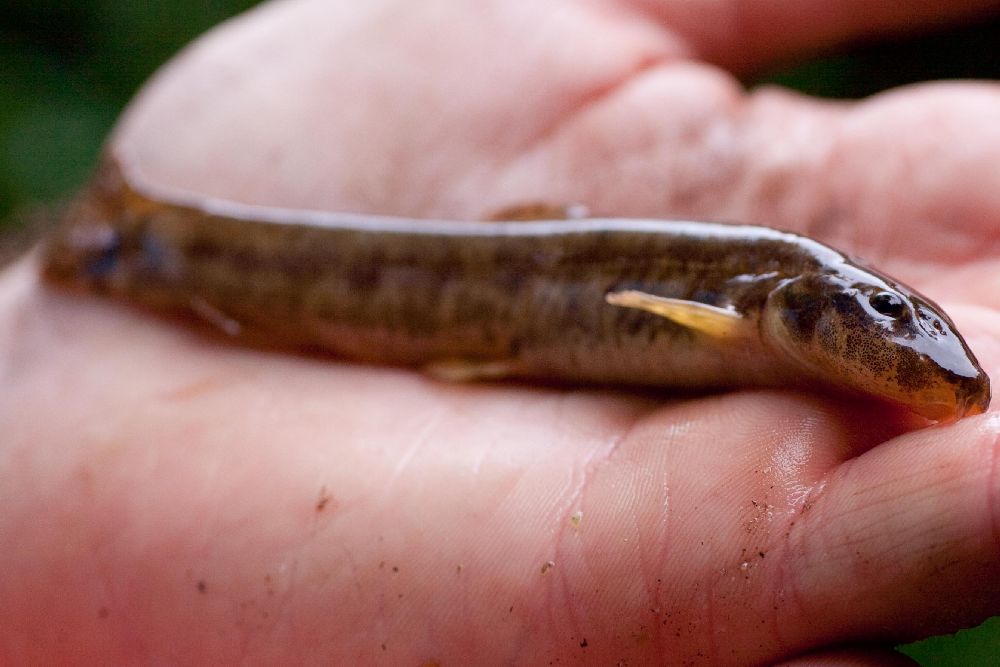
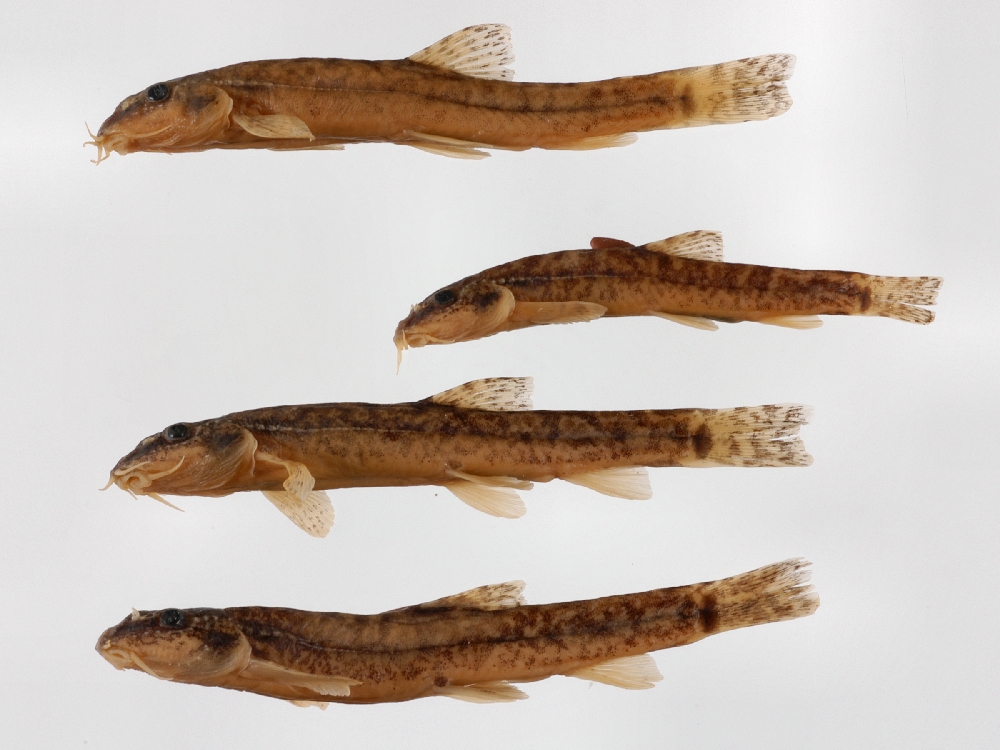
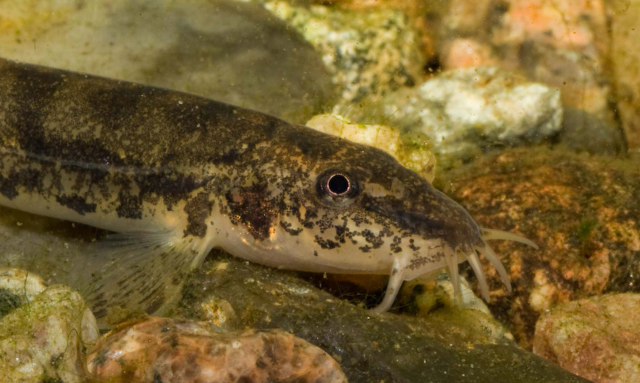
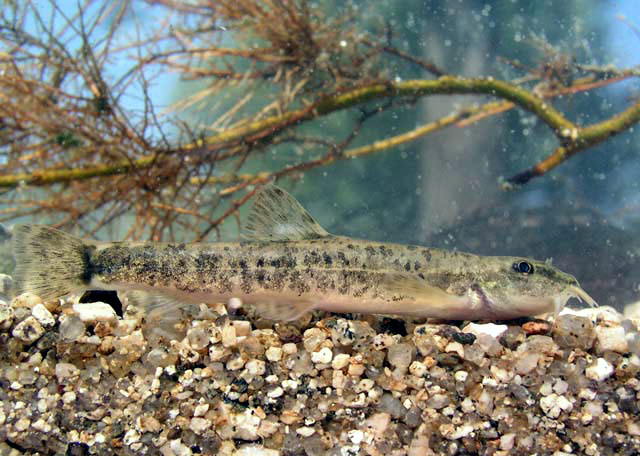
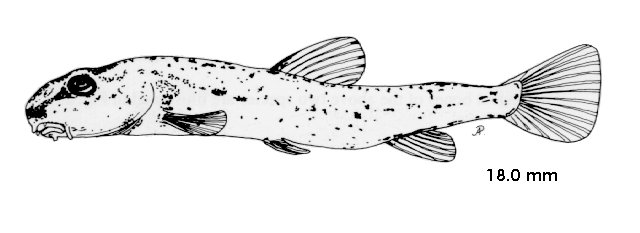
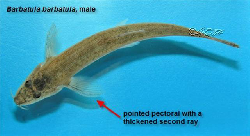
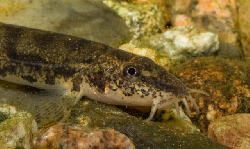
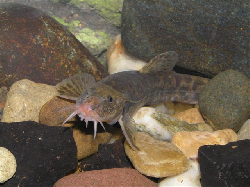
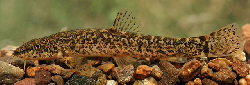
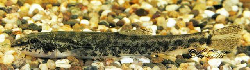
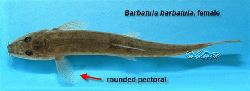
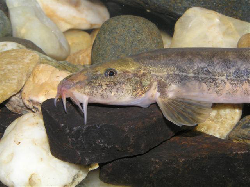
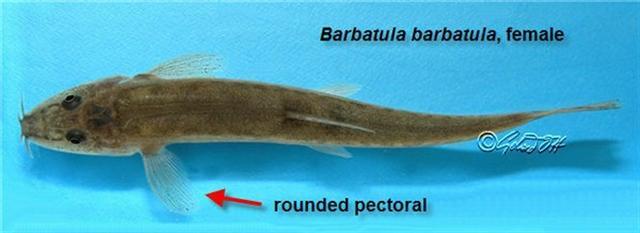
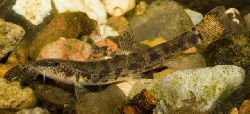
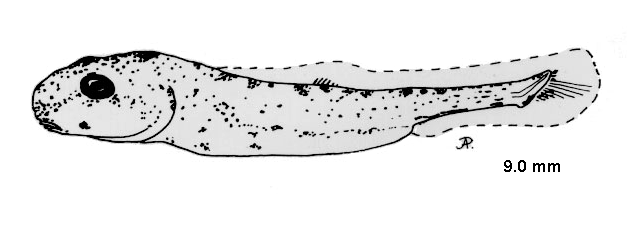
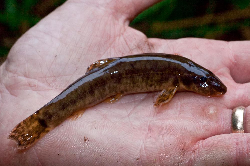
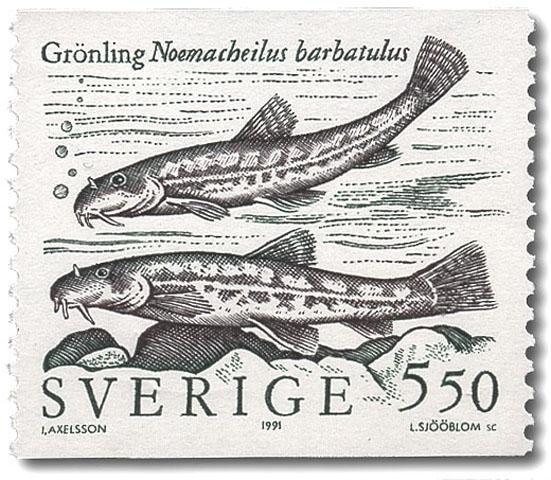
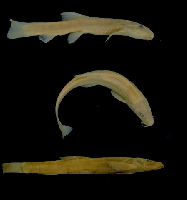
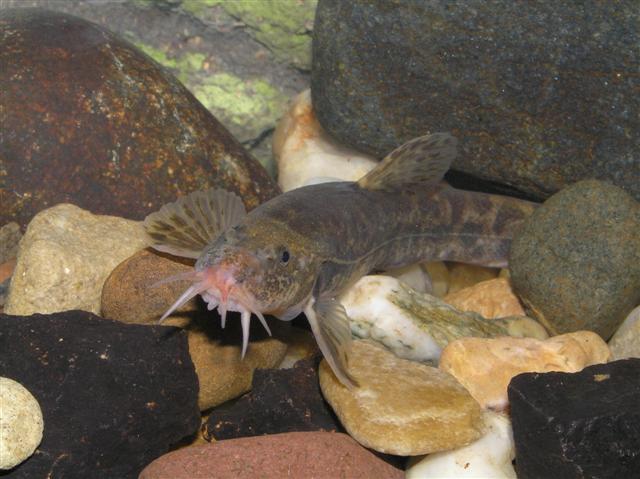
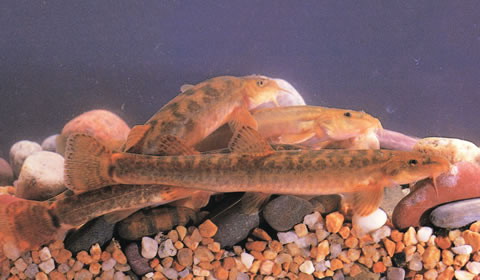
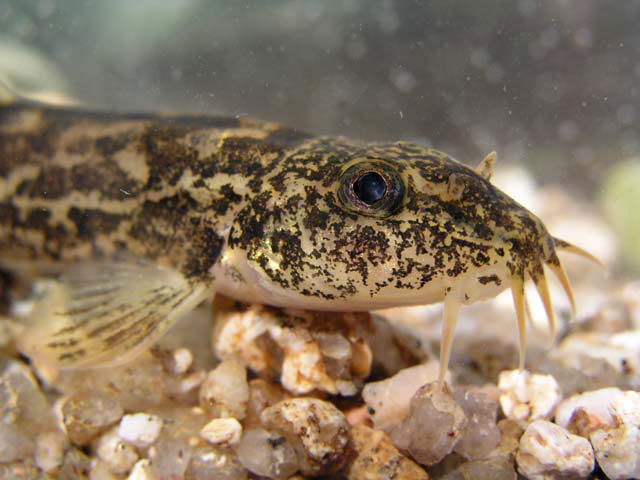
Dorsal spines (total): 3; Dorsal soft rays (total): 6 - 8; Anal spines: 3; Anal soft rays: 5 - 6. Distinguished from its congeners in Europe by the following combination of characters: caudal fin usually slightly emarginate (truncate in a few populations); pelvic origin beneath dorsal origin or under branched dorsal rays 1-2; caudal peduncle depth 1.4-2.2 (usually 1.6-2.0) times in its length, 1.2-1.8 times in body depth; often lacking dark blotches along back between nape and dorsal (Ref. 59043). Body elongated, anteriorly somewhat depressed, posteriorly laterally compressed. Three pairs of mouth barbels. No erectile spine below eye. Posterior margin of caudal fin slightly notched. Caudal fin with 15-17 rays (Ref. 2196).
Common Names
Taxonomic Hierarchy
Kingdom: Animalia
Phylum: Chordata
Class: Teleostei
Order: Cypriniformes
Family: Nemacheilidae
Genus: Barbatula
Species: Barbatula barbatula (Linnaeus, 1758)
Climate Zone
Location
Biology
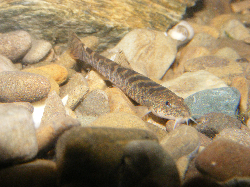
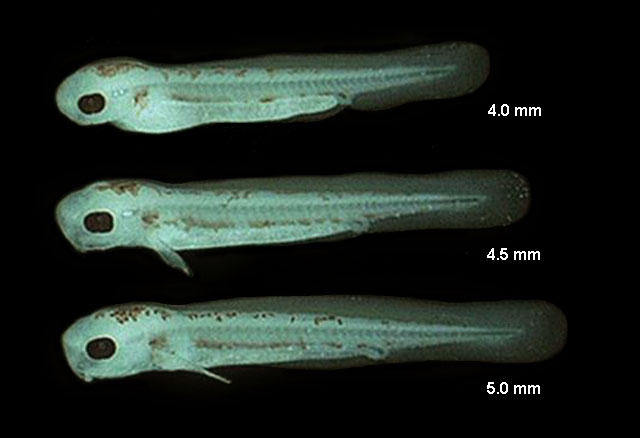
Facultative or obligate air-breathing (Ref. 126274); Usually found in flowing stretches of streams and medium-sized rivers with gravel to stone bottom, but also in a variety of other habitats, including sandy canals and lake shores. Larvae are benthic. Larvae and small juveniles prefer sand bottom and slow current, shifting to gravel bottom and fast current when growing. Adults prey on relatively large benthic invertebrates such as gammarids, chironomids, insect larvae. They breed on gravel, sand or among aquatic vegetation. Tolerate moderate organic pollution and stream canalization and very sensitive to pollution by heavy metals (Ref. 59043). Sensitive to pollution and low oxygen levels, therefore, its presence in a river can be taken as an indication of good water quality (Ref. 6111).
Habitat
demersal
Conservation Status
Least Concern
Threat to Humans
Harmless